


multidisciplinary conference
IJAS at the University of Las Vegas: 15-19 March 2027
multidisciplinary conference
IJAS at the University of Las Vegas: 15-19 March 2027
IJAS conference
Our multidisciplinary conference participants shall present their research over a 5-day span, from 15 to 19 March 2027, at the University of Nevada Las Vegas (UNLV). Each submission will be subjected to a double-blind review process thanks to the dedicated reviewers.
The International Journal of Arts and Sciences (IJAS) brings together tourism councils and university faculty on a platform that showcases both research and each location's potential for study abroad programs. This is reinforced by parallel educational bus tours which augur well for research relationships across the disciplines and the setting up of international academic programs. IJAS invites you to a bold new world which writes off traditional research silos.
SIMPLIFY THE COMPLICATED SO THAT YOU MAY SHARE IT WITH EVERYONE
This conference is set up for those who feel comfortable expressing their thoughts and research in a multidisciplinary setting. In contrast, in the traditional academic conference format, where most of the delegates hail from the same discipline, researchers seek to demonstrate how they incrementally advanced knowledge in their field. As a result, presentations tend to be highly specialized in nature, interspersed with jargon, symbols and technical terms unique to the discipline.
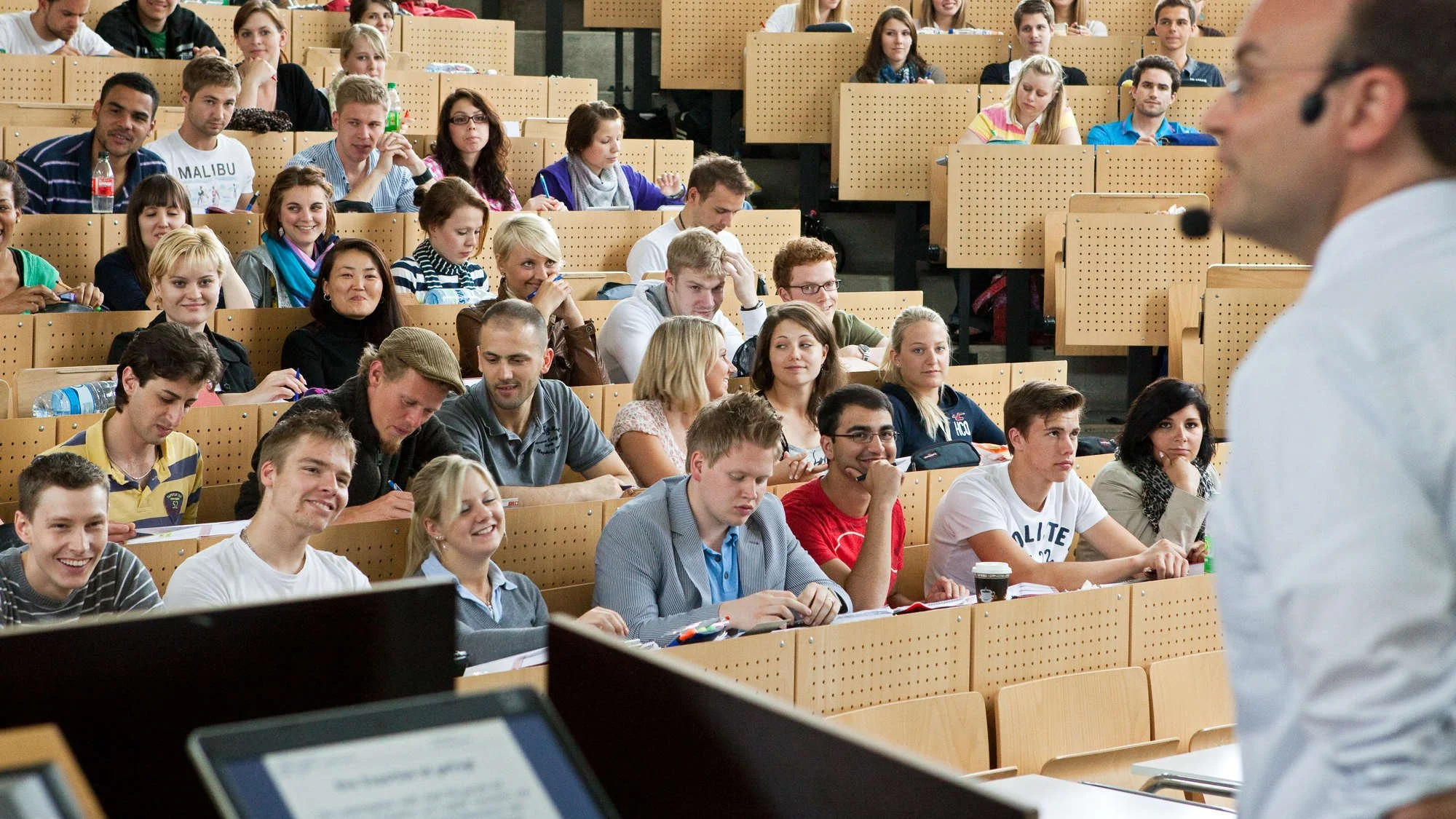
This structure and style of presentation falters in a multidisciplinary conference setting where a high percentage of the conference attendees lack the expertise and knowledge of the presenter. As a result, presentations in a multidisciplinary conference should be modified and simplified to ensure that the audience gains an appreciation for the speakers’ contribution. Formal presentations utilizing specific methods, analytics, language and scholarly references are more than likely to serve as a barrier to communication, given that most members of the audience are not familiar with the discipline. If you have never participated in a multidisciplinary conference, take a look at the format used by speakers in TED conferences.The speakers at TED excel at reaching different segments of their audience and getting their message through by avoiding unnecessary jargon. They seize the most sophisticated insights and research and simplify them in communicating with the audience. This is what we professors are supposed to do when we lecture in class. The challenge is to do the same in our multidisciplinary conferences. In the age of mass media, those who cannot communicate cannot teach. Many research readers fail to make it past the abstract, or at most the first page. Multidisciplinary conferences encourage speakers to simplify, without dumbing down, their presentations. The audience is just as intelligent and curious.
If we meet that standard, we do more than inform a room of specialists: we make ideas portable across fields, and we give research a chance to travel farther than the first page.
1. You meet ideas outside your own field. Specialists in adjacent disciplines often frame the same problem differently, so a talk that is routine in one area can be a useful surprise in another.
2. You have to explain your work without relying on shared jargon. An audience that is intelligent and curious, but not trained in your methods, forces clearer claims and tighter arguments—the same skill that makes a paper readable.
3. Collaboration becomes easier to start. Shared sessions and informal conversations put people who would not normally read one another’s journals in the same room, which is often how joint projects and new questions begin.
Source: Why Multidisciplinary Conferences Matter in the Age of AI
Location
Location
... at the unlv student union
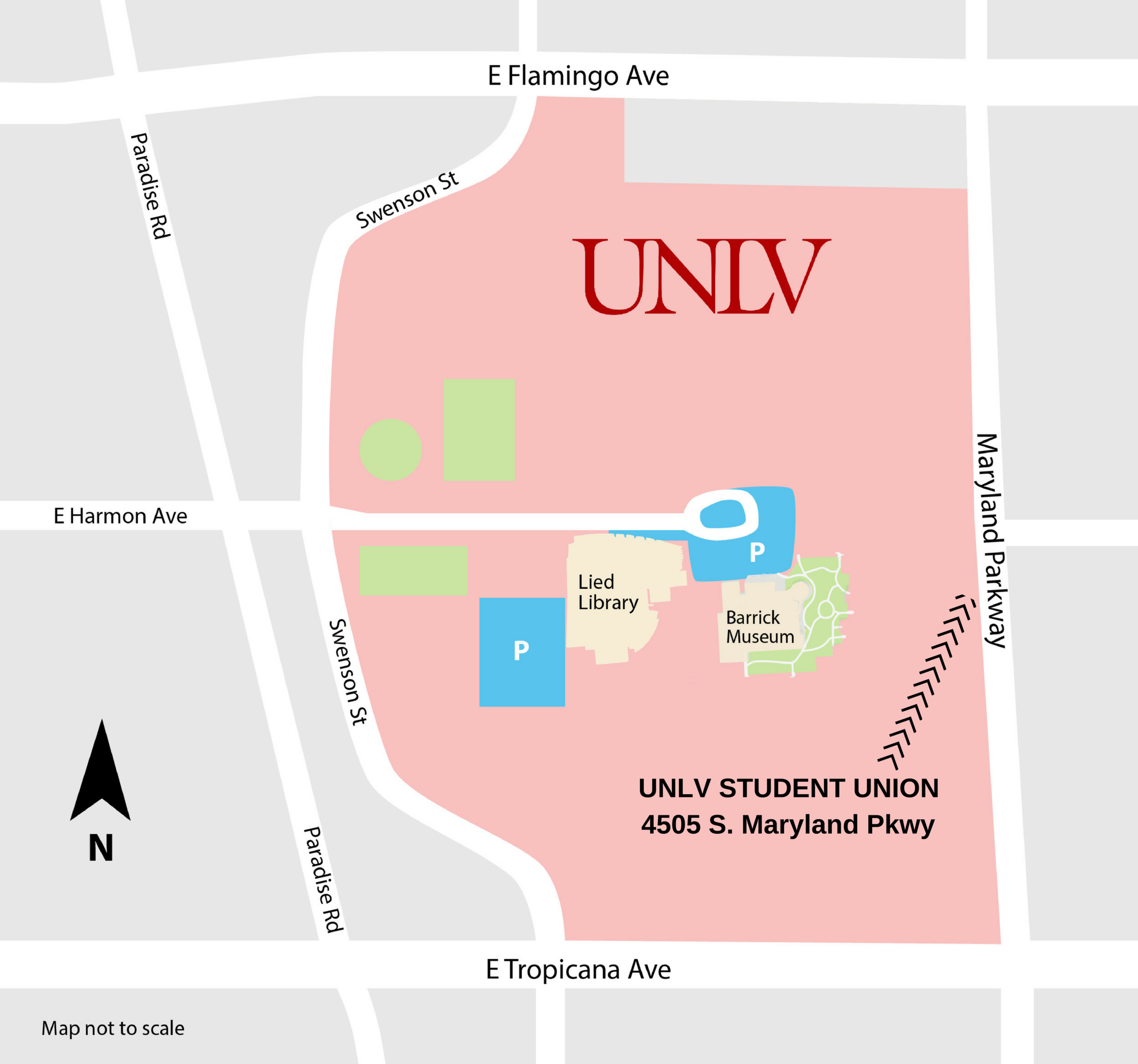
Our research presentations will be inside the Student Union (SU), at 4505 S. Maryland Parkway, Las Vegas. The Union is the lively heart of the campus, a roughly 12,500-square-meter hub where everyone meets. With more than a million visitors a year, a team of student staff keep the place running.
On the ground floor, dining options run from hand-rolled sushi, custom salads, and sandwiches to smoothies and coffee, with Scarlet & Sage offering a relaxed sit-down break in the middle of a busy day.
The spiral stairs in the photo below, lead up to the IJAS conference events on the second floor. Our registration desk will greet you outside Conference Room SU 205.
Immediately outside the Student Union, one finds the university bookstore. After books, it does more business selling UNLV branded clothing. Together, the Union and the bookstore give Rebels two of the most useful and welcoming places on campus.
Objectives
Since its first conference in 2008, the International Journal of Arts and Sciences (IJAS) Conference Series, based in Rhode Island, USA, has hosted over 120 conferences in several cities around the world. The series has three primary aims.
The first aim is to provide opportunities for academics from a range of disciplines and countries to share their research both through the conference podium and IJAS' double-blind refereed publications. All IJAS conferences are inter- and multi-disciplinary, and double-blind reviewed thanks to dedicated faculty.
The second aim of the Conference Series is to provide opportunities for academics to receive informal in-depth feedback through discussions, and to enable them to establish contact with professionals in other countries and institutions. The tours are the main way of "breaking the ice" away from the formalities of the conference hall, providing an informal setting for discussing different points of view. Even in an increasingly networked world of internet and satellite conferences, there is no substitute for personal interaction—what Edward R. Murrow calls "the last three feet of communication." It is individuals, not data streams, who must ultimately build the connections that in turn create lasting international research partnerships.
The third aim of the Conference Series is to introduce academics to educational premises in locations that are suitable for study abroad programs and which may meet their students’ educational needs. IJAS draws its inspiration from the Fulbright Program, an integral part of the United States' foreign educational relations, where face-to-face exchanges have proven to be the single most effective means of engaging international publics while broadening dialogue between academics and institutions.
Free Bus Tours & Meals
Free Bus Tours & Meals
cultural bus tours Overview
Although the research presentations will last 5 days, most participants would look forward to something beyond the presentations. In parallel with the presentations, each conference delegate that registers for the 5-day conference is entitled to two free bus tours and two free meals. Each tour results in a unique experience that blends the area's history, tourism and multiculturalism as the delegates get to know each other during the bus tour events. Given that the delegates hail from various disciplines, there is always something new to learn for the intellectually curious.
FOR THE BUS TOURS, OUR BUSES WILL PICK UP DELEGATES FROM THREE CASINO HOTELS: (i) SILVER SEVENS (NEAR UNLV), (ii) CIRCUS CIRCUS, AND (iii) EXCALIBUR.
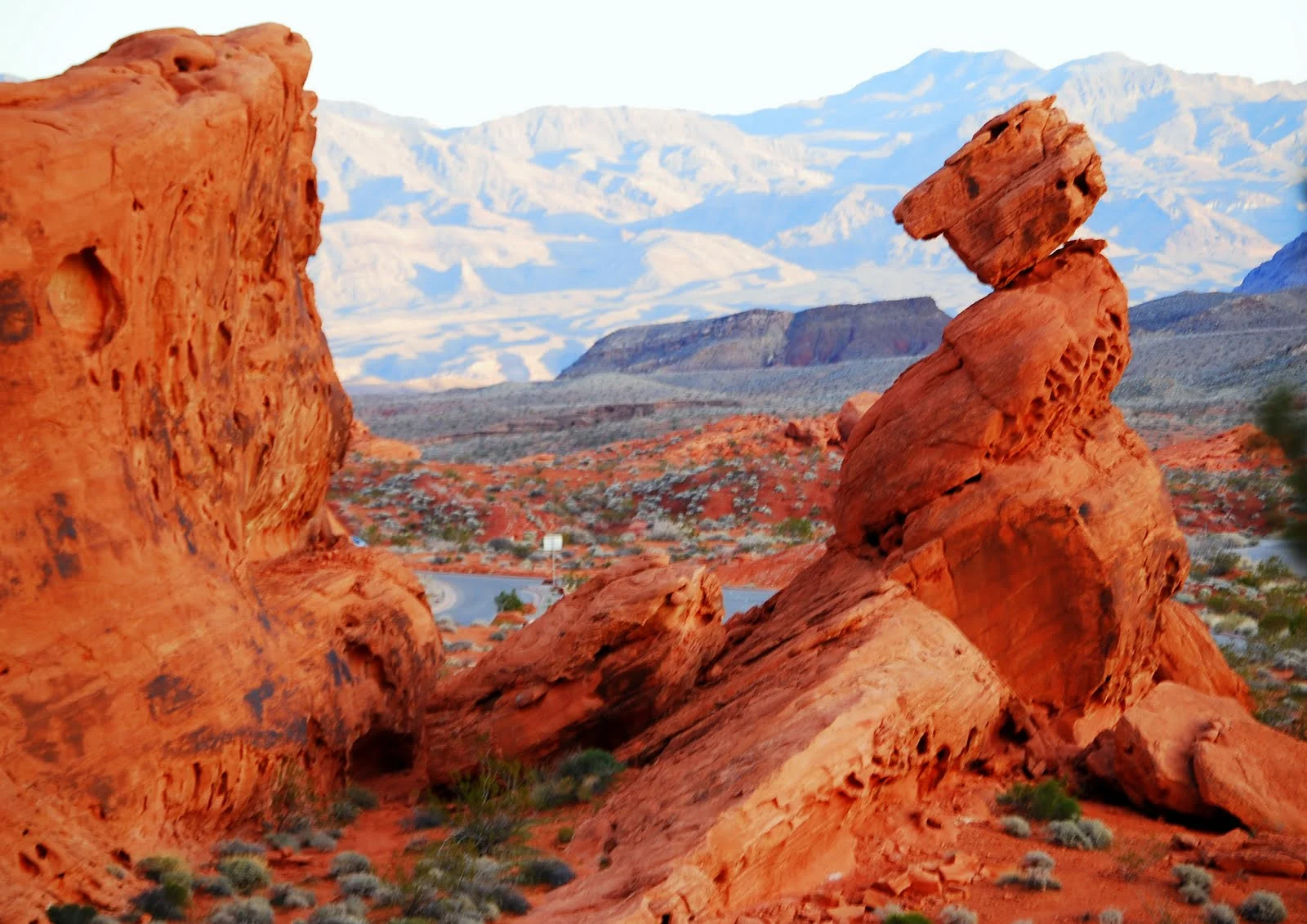
red rock canyon tour (17 March 2027)
Our first visit will be to the Spring Mountain Ranch State Park, located west of Las Vegas in the Red Rock Canyon National Conservation Area. The many springs in these mountains provided water for Paiute Indians and later brought mountain men and settlers into the area. The Ranch is a 520-acre oasis.
We will then proceed to the Red Rock Loop home of the (i) Calico Hills, (ii) Limestone Indian roasting pits, and (iii) the petroglyphs at Willow Springs.
We will have a free lunch buffet at a casino, and end our tour experience at Freemont Street, the second most famous street in Las Vegas after the Strip. This is where many famous casinos such as Binion's Horseshoe and Golden Nugget made their name. It was the abundance of neon signs, like cowboy Vegas Vic, that earned the street the nickname Glitter Gulch.
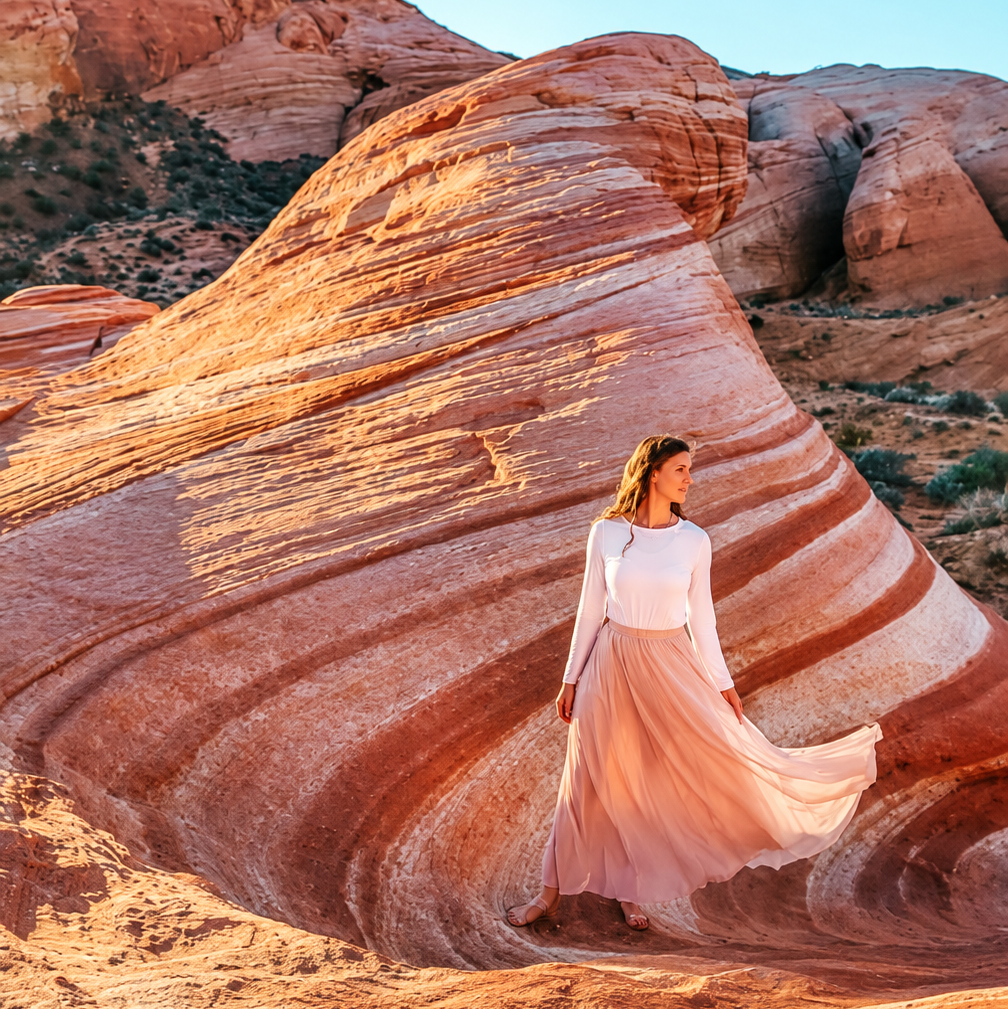
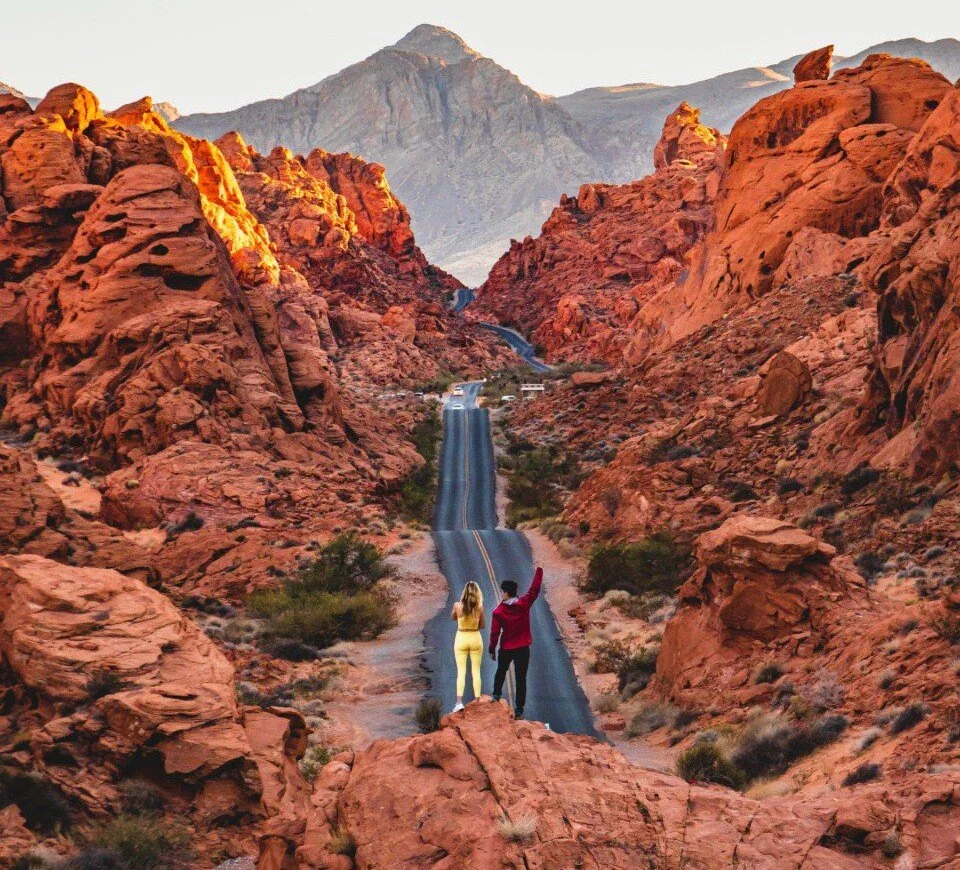
VALLEY OF FIRE TOUR (18 MARCH 2027)
Nevada’s oldest state park, Valley of Fire unfolds across 40,000 acres of blazing Aztec sandstone just an hour from the Las Vegas Strip. The park invites delegates to step away from the conference floor and into a desert sculpted over 150 million years, where iron-rich cliffs glow crimson at midday and seem to catch fire at sunset. After the tour bus arrives at the west entrance, guests explore at an easy pace among short walks and scenic pullouts at Atlatl Rock, Rainbow Vista, Elephant Rock, the Beehives, and the park’s signature Fire Wave.
Atlatl Rock’s staircase leads to petroglyphs carved more than 2,000 years ago by Ancestral Puebloan peoples. Nearby, Elephant Rock rises like a stone trunk against the sky. The Fire Wave is the park’s glass-bridge moment: swirling bands of red, pink, and cream sandstone that look painted across the desert floor. Stand on those ripples and the valley opens in every direction, an otherworldly landscape that rewards unhurried looking and makes the return to Las Vegas feel like coming back from another world.
After a full day at Valley of Fire, delegates are invited to a complimentary meal. Again, transportation is included, and the meal is part of the tour. No separate ticket or payment is required. Please join us to relax and compare notes from the day.
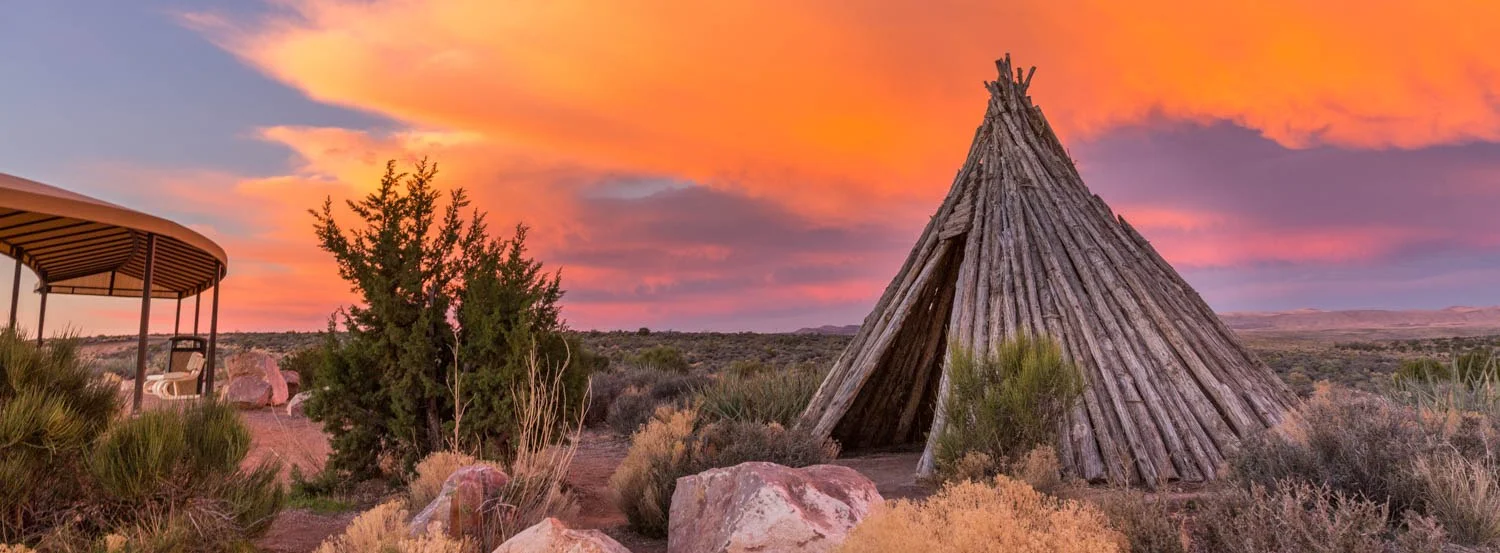
Treat the earth well. It was not given to you by your parents, it was loaned to you by your children - Ancient Indian Proverb
Submission
Submission

Each IJAS multidisciplinary conference follows the same format. Here are our research presentation programs from conferences at Harvard (click here and here) and UNLV (click here and here) over the years.
Our editorial board invites abstracts, papers, and proposals as long as they fall within one of the following broad tracks:
Social Sciences and Humanities
Business and Economics
Teaching and Education
Science and Technology
After the submissions are accepted by the reviewers, in a double-blind review process, they will be clustered around their common topics and areas of interest. As is typical of multidisciplinary conferences, the final program - released about three weeks before the conference - will mirror the research agendas of the delegates rather than a pre-conceived list of arbitrary topics.
It is up to each delegate how much to submit or publish. Some authors may publish only an abstract in the proceedings. Others may prefer to publish a full-length manuscript in the journal. Many will publish nothing at all. Delegates may also attend without presenting any research.
Authors may deliver their work during the conference either as a 15-minute oral presentation or as a poster.
Registration
Registration

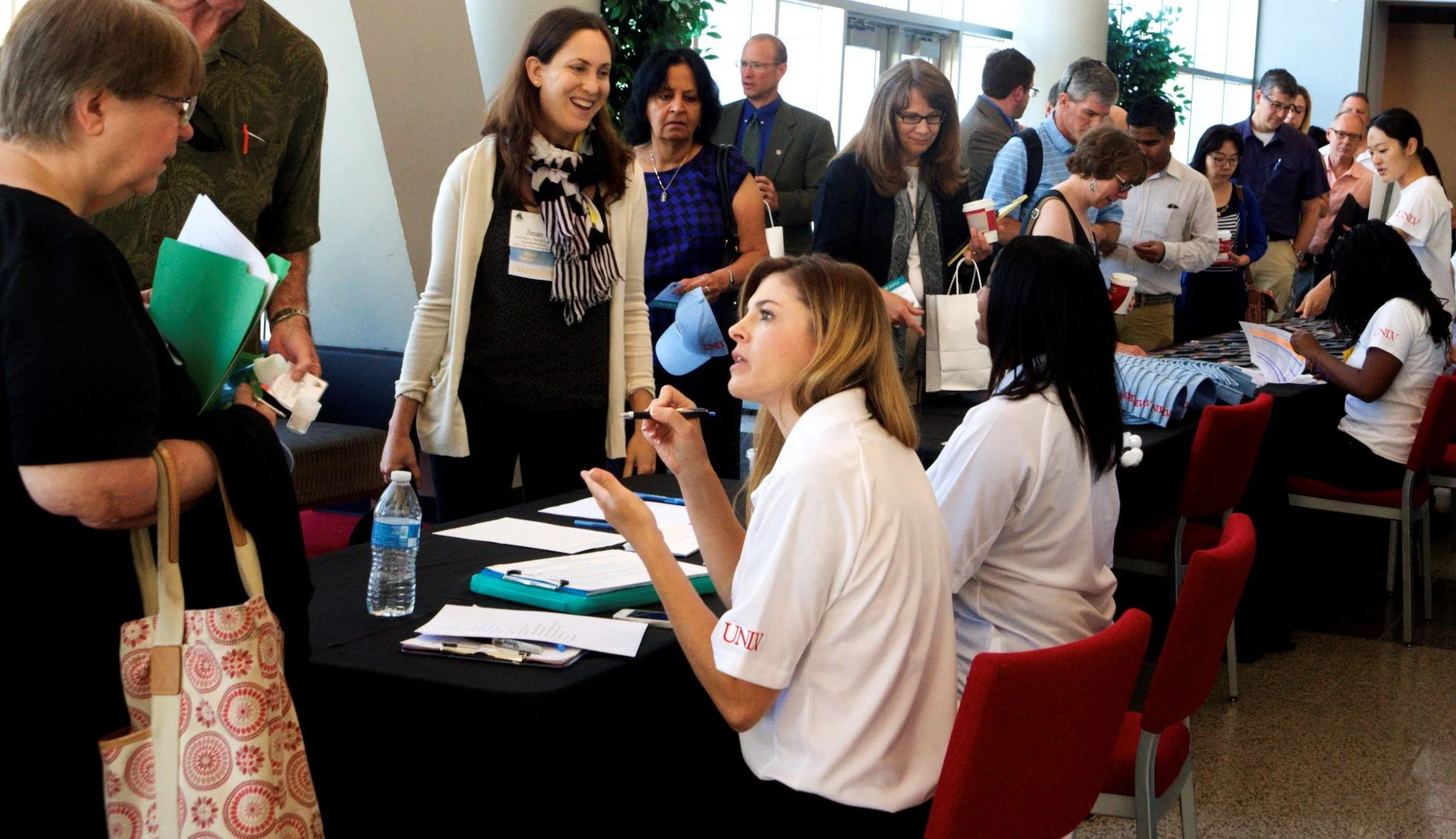
REGISTRATION is open to everyone, not just to research presenters.
Alternative ways of paying the registration fee include Western Union and Money Gram. Contact Mark Bridge at info@universityconferences.org for information about this.
$495 - Conference at UNLV: Registration valid for all 5 days
Valid for one person for all conference events, on and off conference premises. Includes 2 bus tours and meals, and free entrance to all sites.$335 - Conference at UNLV: Registration valid for 1 research presentation day only
Valid for one person, for one day only, on conference premises. Does not Include any bus tours.$295 - Conference at UNLV: Additional Registration for guest for all 5 days
The guest (who cannot be a joint author and cannot present any research at the conference) is entitled to exactly the same benefits as the author. However, no certificate of attendance is issued for the guest. ID card may be requested.
UNLV's 20,000-seat arena is the electrifying venue of the National Finals Rodeo.
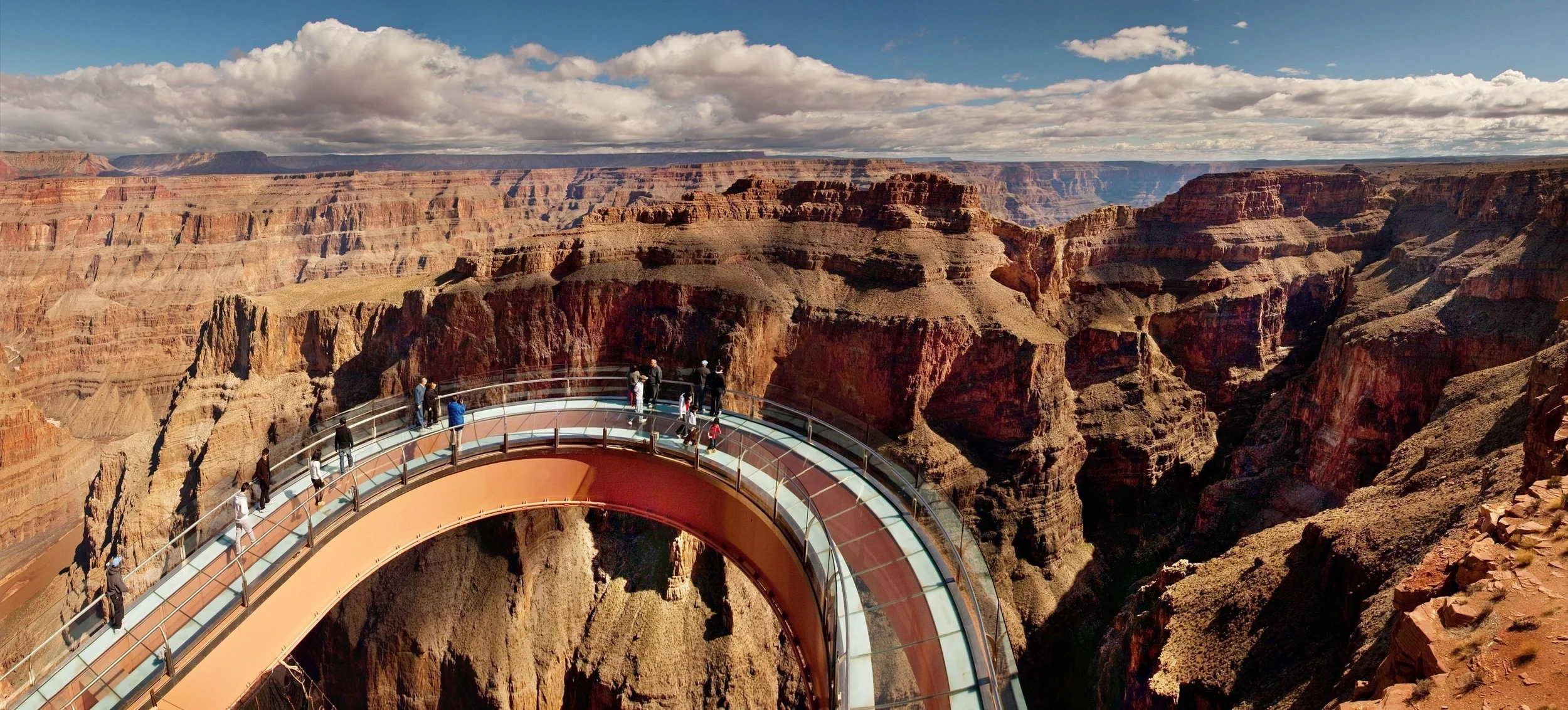
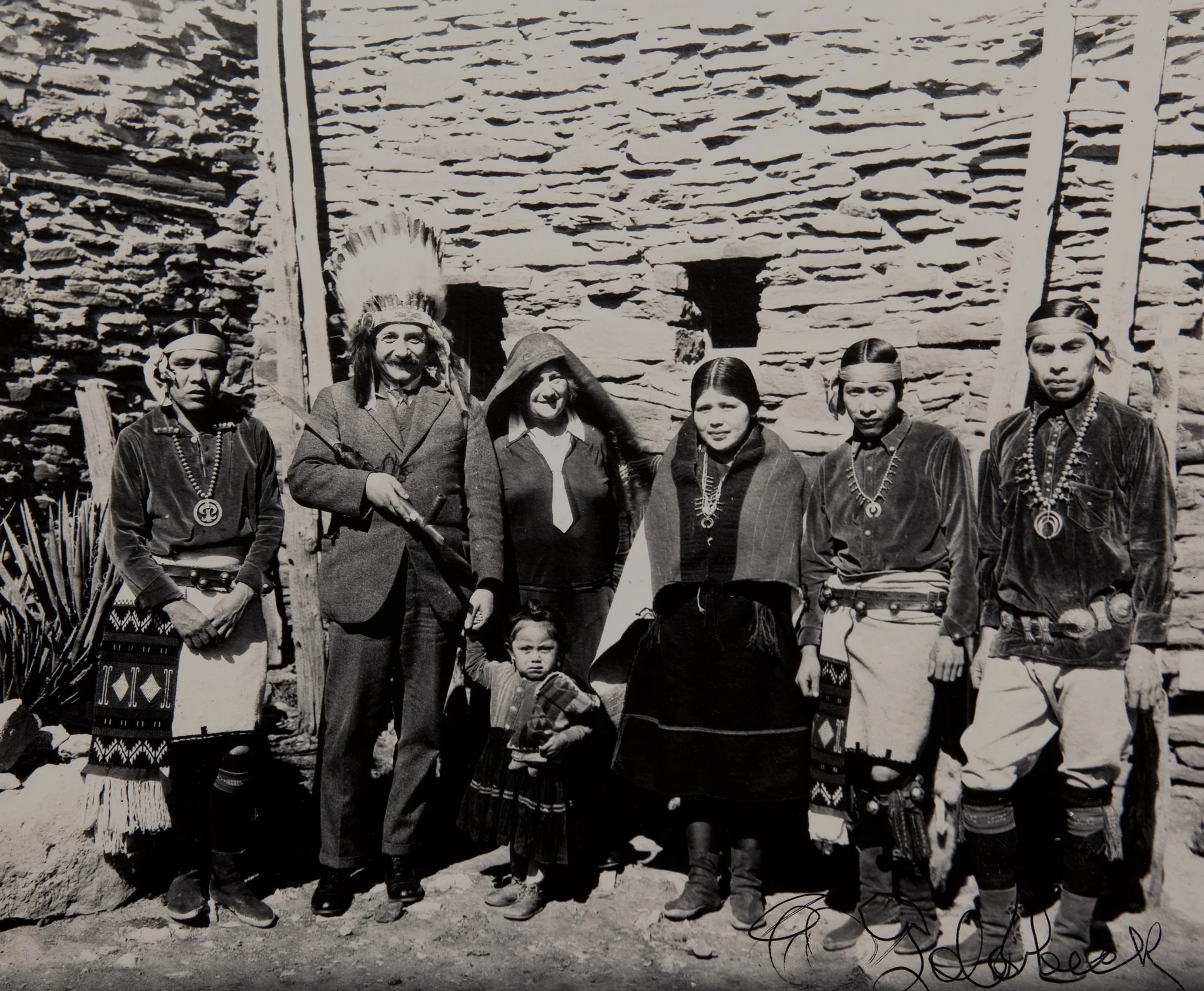
Members of the Hualapai tribe will greet you at Grand Canyon West
Dates & Publications
Dates & Publications
The most important dates to remember for the conference are as follows:
The conference will run from 15 to 19 March 2027.
Email your manuscript to ManuscriptSubmission@gmail.com after the conference, up to 1 June 2026.
The proceedings and journals will be published in late December 2027.
Within a few days of receiving your online abstract submission, we will notify you of the reviewers' acceptance or rejection, for the conference.
If we inform you that it is an acceptance and you would like to publish your research, follow the model format here and email us your formatted abstract or full manuscript in Microsoft Word.
Abstracts and summarized articles will be published in the proceedings entitled Conference of the International Journal of Arts and Sciences, in electronic format (ISSN 1943-6114).

Inside the UNLV Student Union
Full length manuscripts may be published in the International Journal of Arts and Sciences (ISSN 1944-6934) or any of the refereed journals electronically available through IJAS' publishing consortium. The review process for the journals is slower and more demanding in its standards. Although both the proceedings and journals are refereed, research that meets the refereed standards for the conference and the proceedings may not meet the refereed standards for the journals. The selection of a journal, if any, for a particular manuscript is entirely at the discretion of the editorial board members following the reviewers' suggestions.
All the journals and proceedings are in electronic format since this makes it easier to disseminate the articles (click here for a sample article) to international scholars.
Authors will receive complimentary access to the online issue in which their work appears. One's research may not simultaneously appear in both our proceedings and journals.
Authors who prefer a hard copy may download an entire issue on their own computer, upload it and order a hard copy of it from Lulu.com, a print-on-demand (POD) online publishing service.
Until 2020, just before COVID-19 shut down IJAS and its academic activities, IJAS' editorial board actively solicited international research. IJAS' articles were indexed or accessed in (i) WorldCat, (ii) Ulrich's serials directory, (iii) Index Copernicus, (iv) ProQuest, (v) Genamics, (vi) EBSCO, and (vii) Google Scholar - click here. IJAS is once again asking for high quality research as it jumpstarts its conferences and publications.
There is no page limit on articles. We don't impose a financial penalty on lengthy manuscripts. We don't charge any money to publish in our refereed proceedings or journals. We never did and never will.
You may republish any articles you publish with us. You don't need our permission to do so. Third parties, however, cannot republish articles that have been published with us unless they have the authors' written consent.
Lodging
Lodging

No lodging facilities are available on the UNLV campus during the academic year. However, Las Vegas has plenty of hotels. To extract the lowest room rates, we recommend two particular sources. We recommend that in your hotel search you stay focused on Las Vegas Boulevard's (a.k.a., the Strip) major hotels. Circus Circus and Excalibur are usually among the cheapest major hotels on the Strip. For the best rates on hotel rooms, we recommend booking.com.
For a map of the Strip, click here.
For the shortest distance from the Strip to campus, you may proceed by walk (only if you are a very good walker) from where the Strip intersects Flamingo Avenue or Tropicana Avenue. Way beyond the Strip and the tourists, the closest casino and hotel to our conference location is the Silver Sevens Hotel & Casino, a 7-minute car ride away. The heart of Vegas is the Strip; it’s where all the tourist action is. This is why we strongly recommend lodging at the casinos on the Strip. The stretch between Circus Circus and Luxor is very safe, the action never stops, and you may walk freely and enjoy yourself into the night.
It doesn't matter as much where you stay on the Strip as long as your location is in the vicinity of the Monorail and tram stops. The two systems between them cover most parts of the Strip. Read information about the Monorail and tram connections.
FOR THE BUS TOURS, OUR BUSES WILL PICK UP DELEGATES FROM THREE CASINO HOTELS: (i) SILVER SEVENS (NEAR UNLV), (ii) CIRCUS CIRCUS, AND (iii) EXCALIBUR. The bus picks up the delegates from the front of Silver Sevens, and the back of Circus Circus and Excalibur.
Transport
Transport
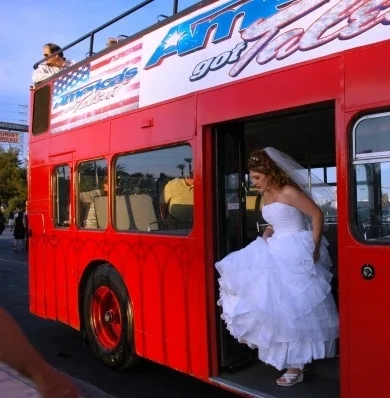
There are several airlines with direct connection to Harry Reid International Airport (LAS) in Las Vegas.
Group shuttles are an economical way to get from the airport to most major hotel/resorts. While en route, group shuttles make multiple stops at locations along the way, so relax and enjoy the spectacular view. Expect anything in Las Vegas.
Vegas is the wedding capital of America and even professors who have just arrived in the United States can be married in Las Vegas regardless of their visa status. Whether you've been planning for this moment or you make your decision shortly after landing at Henry Reid International Airport with your research presentation notes in your hands, we have one tip for you: A lot of Vegas chapel marriages don’t last. They don’t due to real features of the market: no waiting period, licenses available late, drive-through and Elvis packages, and high-profile short marriages (for example, Britney Spears’s 2004 chapel wedding, annulled after 55 hours).
Getting a Visa
Getting a Visa

Who Needs a Visa
This is general information, not legal advice. Visa rules change, and eligibility depends on individual circumstances.
Applying for an American visa to participate in an IJAS Conference
The B visa is a nonimmigrant visa for persons seeking to enter the United States temporarily for business (B-1) or pleasure (B-2). A visa allows you to travel to a U.S. port of entry and apply for admission; it does not guarantee entry. Customs and Border Protection decides admission and the length of stay.
B-1 visitors for “business”
The B-1 visa permits persons to come to the United States for short-term, temporary professional activities related to their employment or business abroad. Examples include consulting with business associates, participating in scientific, educational, professional, or business conferences, conventions, or seminars, negotiating contracts, lecturing or speaking (when not employed by a U.S. institution), short-term training, and independent research that does not benefit a U.S. institution. Gainful employment for a U.S. employer is not allowed.
B-1 visitors are admitted for the period needed to complete the purpose of the trip, as determined by the officer at entry. To show eligibility for B-1 status, or for WB status under the Visa Waiver Program, the traveler should be prepared to show the purpose of the trip (for example, a conference letter of acceptance or invitation), intent to depart (such as a round-trip ticket), and the source and amount of funding, along with ties to a residence abroad.
B-2 visitors for “pleasure”
The B-2 visa permits persons to come to the United States for tourism and other activities of a recreational character, including visiting family or friends. Cohabitating partners and extended family members (for example, elderly parents) who are not eligible for derivative status on another visa (such as H-4, F-2, or J-2) may qualify for a B-2 visa.
B-2 visitors are often admitted for up to six months, even if the planned stay is shorter, but the period is set by the officer at entry and is not guaranteed. To show eligibility for B-2 status, or for WT status under the Visa Waiver Program, the applicant should be prepared to describe a “what, when, and where” itinerary and to show funding, return transportation, a residence abroad, and other ties to the home country. A letter from a friend or relative can help if the trip is a personal visit, but it is supporting evidence, not a legal requirement. A conference organizer is not a substitute for a personal host on a pleasure trip; conference attendance itself is a business purpose normally covered by B-1 or WB, supported by the conference acceptance or invitation.
Requirements
Applicants must meet specific requirements under U.S. immigration law. The consular officer decides whether a visa will be issued. U.S. law presumes that every visitor-visa applicant is an intending immigrant until the applicant shows otherwise. Applicants must overcome that presumption by demonstrating:
• That the purpose of their trip is to enter the United States temporarily for business or pleasure;
• That they plan to remain for a specific, limited period;
• Evidence of funds to cover expenses in the United States;
• That they have a residence outside the United States as well as other binding ties that will ensure their departure from the United States at the end of the visit.
Applicants should generally apply at the U.S. embassy or consulate in the country where they live, and well before the travel date. The first step is Form DS-160, the Online Nonimmigrant Visa Application. After submitting it, print the confirmation page and bring it to the interview. Pay the nonrefundable visa application fee if it is required before the interview, then schedule an interview at the embassy or consulate where you will apply. Scheduling, fee payment, and post-specific instructions are on that post’s website and on travel.state.gov. Interview wait times vary, so apply early. Wait times and processing times are posted on travel.state.gov and on most embassy and consulate sites. An ink-free digital fingerprint scan is taken during the process. Some applications require further administrative processing after the interview. Documentation and fee details are on travel.state.gov.
Unless canceled or revoked, a visa is valid until its expiration date. If the passport expires, you may still use a valid visa together with a new valid passport of the same nationality and the same biographic data. Do not remove the visa page; carry both passports.
Visa Waiver Program
The Visa Waiver Program (VWP) lets most citizens or nationals of participating countries travel to the United States for business or tourism for 90 days or less without a B-1 or B-2 visa, if they meet all program rules. Business travelers are admitted in WB status (equivalent to B-1); pleasure travelers are admitted in WT status (equivalent to B-2).
VWP travelers must obtain an approved travel authorization through the Department of Homeland Security’s Electronic System for Travel Authorization (ESTA) before boarding a carrier to the United States. DHS recommends applying at least 72 hours before travel. An approved ESTA is generally valid for two years, or until the passport expires, whichever comes first, and can cover multiple trips. It is permission to travel to a port of entry, not a grant of admission. Citizens of Brunei currently receive a shorter maximum ESTA validity. Apply only through the official CBP ESTA site.
VWP travelers must also have an electronic passport (e-passport) and a return or onward ticket to a destination outside the United States other than a trip solely to Canada, Mexico, or adjacent islands, unless they are residents of those places. Entry at a land border from Canada or Mexico is possible if other VWP rules, including ESTA, are met.
Citizens of VWP countries are generally not eligible to use the program if they have traveled to or been present in the Democratic People’s Republic of Korea, Iran, Iraq, Libya, Somalia, Sudan, Syria, or Yemen on or after March 1, 2011 (limited exceptions apply), or if they are also nationals of certain of those countries. Those travelers usually need a visa.
Participating countries currently include Andorra, Australia, Austria, Belgium, Brunei, Chile, Croatia, Czech Republic, Denmark, Estonia, Finland, France, Germany, Greece, Hungary, Iceland, Ireland, Israel, Italy, Japan, Latvia, Liechtenstein, Lithuania, Luxembourg, Malta, Monaco, the Netherlands, New Zealand, Norway, Poland, Portugal, Qatar, San Marino, Singapore, Slovakia, Slovenia, South Korea (Republic of Korea), Spain, Sweden, Switzerland, Taiwan, and the United Kingdom. “United Kingdom” means British citizens who have the unrestricted right of permanent abode in the United Kingdom. Taiwan eligibility is limited to people with the unrestricted right of permanent abode in Taiwan who hold the required electronic passport with a national identification number. The list can change; confirm it on travel.state.gov or dhs.gov before travel.
Visitors admitted under the VWP may stay up to 90 days. They cannot apply for an extension of stay or a change of status. To obtain another nonimmigrant classification, they must leave the United States and apply for the appropriate visa abroad.
About Us
About Us
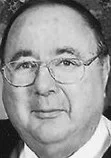
Glen D. Camp
Around the turn of the century, in Rhode Island, a group of Bryant College professors from different departments would frequently meet for lunch, sharing ideas over a Sodexo meal. The members of this group included Pat Keeley, Pedro Beade and Glen Camp. Pat, known for his Irish wit and resonant voice, would frequently remark sarcastically that a new international journal, a multidisciplinary one, was needed to record the group’s thoughts. Nobody would think anything of Pat’s tongue in cheek comment but the eccentric and affable Glen Camp, a multilinguist who had spent the early years of his career as a policy director for the U.S. State Department in Europe, would each time raise his glass and reply “Superbe! Magnifique!” At first it was thought that Camp was acting theatrically in jest but it soon became apparent that he was obsessed by the remark that Keeley would generously repeat over time, if for nothing else, to elicit the predictable reply. A Harvard alumnus and Fulbright scholar, Camp was the founder of the Rhode Island branch of Amnesty International, and he saw in open and multidisciplinary communications a catalyst for international education and harmony across geographical boundaries. He envisioned how a journal of this nature could promote study abroad programs. Sitting at the same table would be Dean Earl Briden whose pet project at Bryant was to get the faculty to think outside the box. Bryant students had for decades participated in study abroad programs and Dean Briden was actively involved in the extensive documentation of the programs. One may imagine the Dean’s generous words of encouragement to Camp. This led Camp to prod Pedro Beade for advice about securing funding for the journal and academic conferences. As a board member of the Rhode Island Committee for the Humanities, Beade was an expert in grant writing and had the right connections. Camp was the favorite professor of the international students at Bryant, and Beade who had been raised in Cuba believed in Camp’s vision.
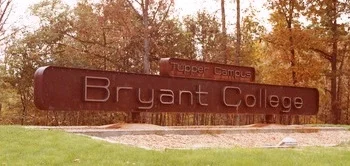
This was an exciting time at Bryant. The college was on the verge of becoming a university and a major campus expansion would soon be undertaken. As so often happens in such situations involving change, other concepts took a backseat and the idea of a multidisciplinary journal that couldn't fit readily in any one department could at first elicit only a very narrow support. Yet from a small seed a tree would grow.
The International Journal of Arts & Sciences (IJAS) was officially registered as a double-blind refereed journal in 2005. The first issue was published one year later in hard-copy format thanks to the creative writings of Rocio Dresser (San Diego State University), Jerry Galloway (Georgia Southern), Kristin Reddington-Bennett (Wake Forest University), and Sylvia Nassar-McMillan (North Carolina State University), among others. Each issue was driven by a call for papers.
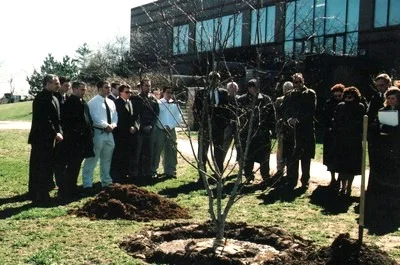
A tree dedication ceremony held at Bryant University in memory of Professor Pedro Beade, The tree was donated by the Delta Chi Fraternity.
By 2008, some of the initial Bryant faculty had assumed new responsibilities or joined other universities. A few others had passed away or retired. Among those who were now teaching elsewhere was Dr Joe Bonnici, a professor active in study abroad programs.
In 2008, Bonnici was asked to facilitate major changes at IJAS and to extend the organization's outreach beyond American academia. Sticking closely to Camp's philosophical blueprint, IJAS formally became an organizer of conferences promoting study abroad programs. The multidisciplinary content of the research remained the same but the format changed from a “traditional American" to an "international study abroad” format. IJAS also started disseminating its articles in electronic format, thereby increasing its articles’ access across the world. Over fifteen professors in the Connecticut State University (CSU) system including Henry Greene, Khoon Koh, Carlos F. Liard-Muriente, and Bonnici himself have been instrumental in coordinating IJAS' conferences. If Bryant College was the cradle of the IJAS multidisciplinary movement, the Connecticut State University system has been its spiritual home. The CSU Board of Regents' emphasis on "affordable education" in its mission statement has had an influence on the value for money that delegates experience through the conferences.
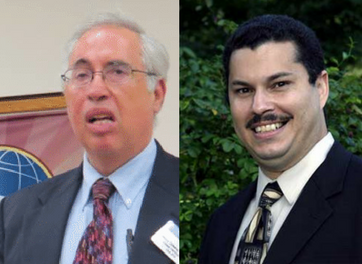
Central Connecticut State University professors Henry Greene and Carlos F. Liard-Muriente have been active in assisting in IJAS events in North America.
Until 2020, just before COVID-19 shut down IJAS and its academic activities, IJAS' editorial board actively solicited international research. IJAS' articles were indexed or accessed in (i) WorldCat, (ii) Ulrich's serials directory, (iii) Index Copernicus, (iv) ProQuest, (v) Genamics, (vi) EBSCO, and (vii) Google Scholar - click here. Starting in late 2026, IJAS is once again asking for high quality research as it jumpstarts its conferences and publications.
Over the last twenty years, widespread cuts in university budgets have led to the demise of many excellent research programs and projects on American campuses. Entire university departments closed down due to lack of funding, IJAS ended up acquiring a number of refereed publications on condition that it would offer them for free to the general public for a set number of years.
In 2012, the journal and its sister publications changed into full fledged online publications: https://www.universitypublications.net/ijas/index.html. The conference proceedings also switched to online: https://www.universitypublications.net/proceedings/index.html.
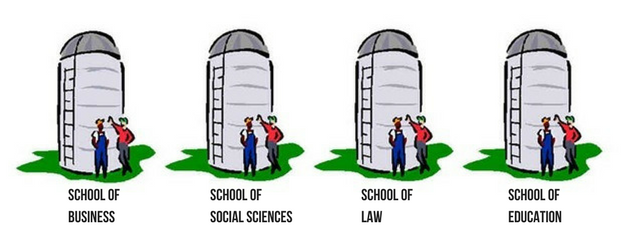
Trying to explain the IJAS experience over all these years to those who have spent a lifetime attending traditional, single-discipline conferences confined within four walls is like trying to explain the laptop to a 1960's typist chugging at her typewriter in her cubicle. IJAS owes its success instead to a burgeoning generation of professors who are internationally mobile and eager to explore beyond the confines of their discipline and geographical base. The mind, once expanded to the dimensions of larger ideas, never returns to its original size. Taken to its fullest, the IJAS experience is fatal to silo mentalities. At IJAS', there is always something new to do and learn. To those who prefer a traditional, single-discipline conference, they could still experience this at IJAS by narrowing the type of papers they attend to and skipping the cultural programs. Like a study abroad program, an IJAS conference is what one makes it. There are students who take their study abroad program seriously, actively trying to comprehend and close the cultural divide. And there are those who can't wait for the opportunity to get drunk. As one University of Cincinnati professor put it upon attending the IJAS conference in Prague, if a delegate presents a paper and leaves, the experience is no different than if one did the same thing at a bigger conference such as the American Psychological Association's. She then described what it was like to listen to a wide variety of presentations at the IJAS conference:
The American presenters [were] highly energetic and data driven about helping low income NYC students... The Polish presenter had highly multicolored slides about how the sounds of poetry make us happy. The German presenter and the Romanian presenter [spoke] about theology. The grad student in English studies read a paper full of whimsical self disclosure about reading Mrs. Dalloway in the tub. An Israeli Buddhist gave a moving account of his moment of enlightenment in the Judean desert. Having such variety in culture, kinds of questions being asked, and styles of presentations is an experience of widening the world that would not occur in discipline specific situations. This pulls you out of your silo if you let it.